Preparing Your Tacoma Home for Winter: Essential Handyman Tips


Inspect and Seal Windows and Doors
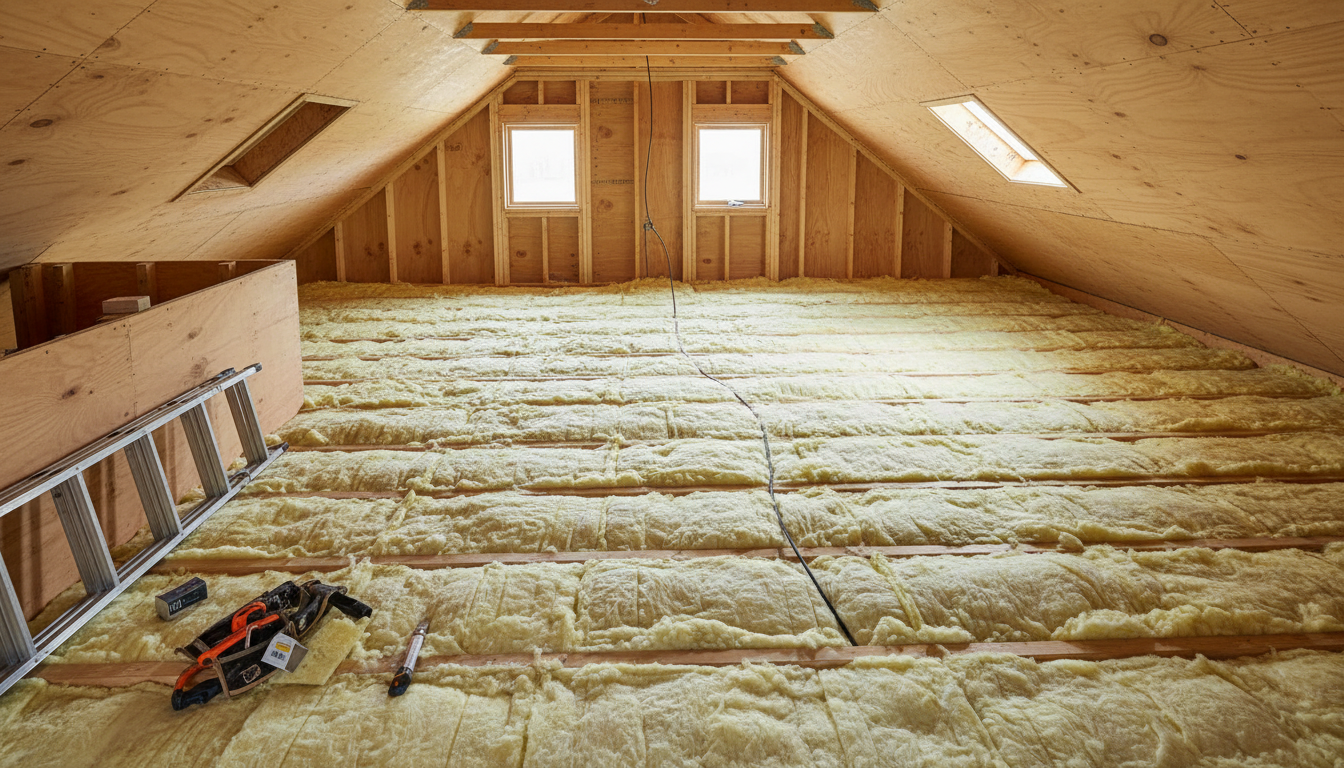
As the winter chill approaches Tacoma, ensuring your home is well-insulated is essential. Start by inspecting your windows and doors for drafts. Use weatherstripping or caulk to seal any gaps or cracks you find. This simple step can significantly reduce heat loss and save on energy bills.
Prepare Your Heating System
Before the cold sets in, have a professional inspect your heating system. This includes checking the furnace, cleaning the filters, and ensuring the thermostat functions correctly. A well-maintained heating system runs more efficiently and safely throughout the winter months.
Consider installing a programmable thermostat to manage heating more effectively. This device allows you to set specific temperatures for different times of the day, ensuring comfort and energy efficiency.
Clean and Inspect Gutters
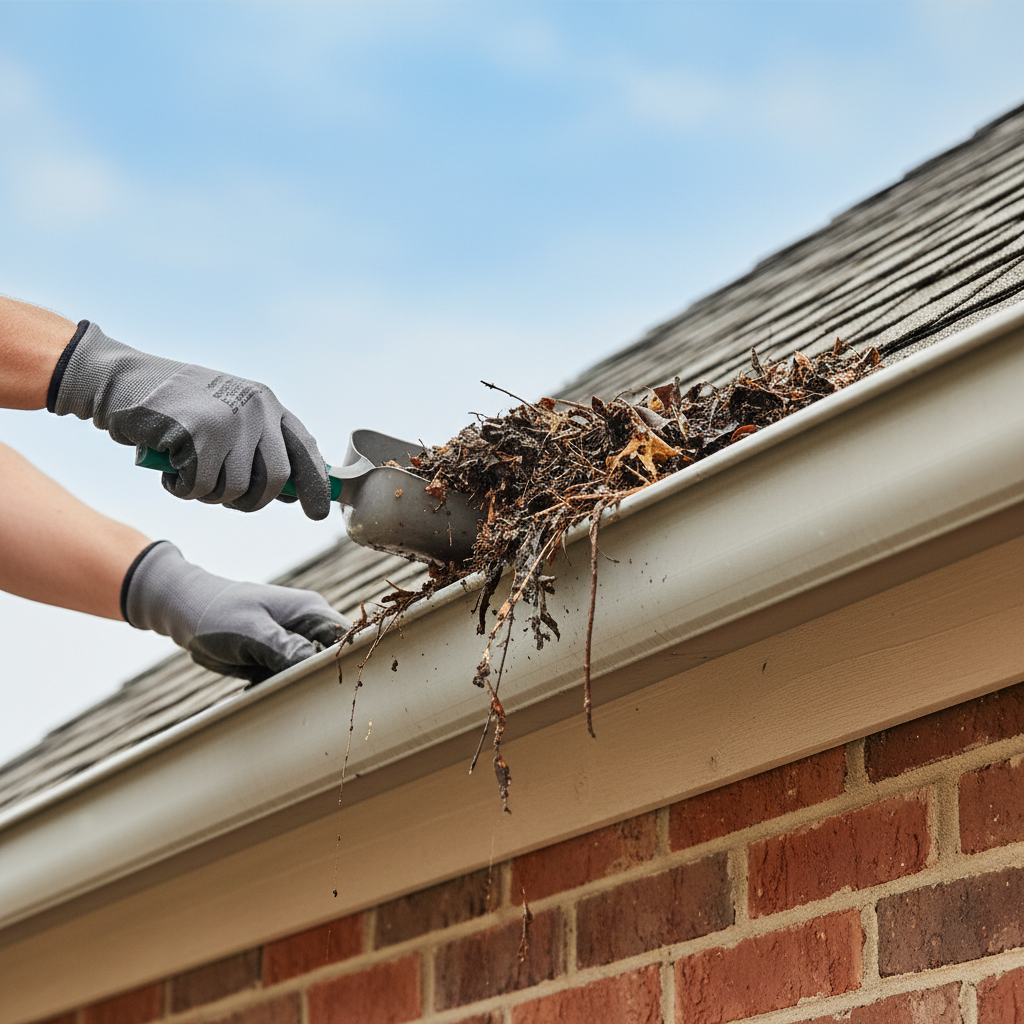
Clogged gutters can lead to water damage when snow and ice begin to melt. Clean out leaves, twigs, and other debris from gutters and downspouts. Ensure that water can flow freely to prevent ice dams from forming, which can cause significant damage to your roof and home interior.
Check Your Roof
A thorough roof inspection is vital before winter. Look for damaged or missing shingles and have them repaired immediately. It's also a good idea to check for any signs of water damage or leaks inside the attic, which often indicate roof issues.
If your roof is older, consider having a professional assessment to determine if it's ready to withstand the weight of snow and ice.
Winterize Outdoor Faucets and Sprinklers
To prevent pipes from freezing and bursting, drain and disconnect all garden hoses. Shut off water to outdoor faucets and drain any remaining water. If you have a sprinkler system, ensure it is properly winterized by blowing out any residual water with compressed air.

Test Smoke and Carbon Monoxide Detectors
With increased use of heating systems, the risk of fire and carbon monoxide poisoning also rises. Ensure all smoke and carbon monoxide detectors are functioning correctly. Replace batteries and test each unit to guarantee your family's safety.
Consider installing additional detectors if needed, focusing on areas near bedrooms and the heating system.
Insulate Pipes
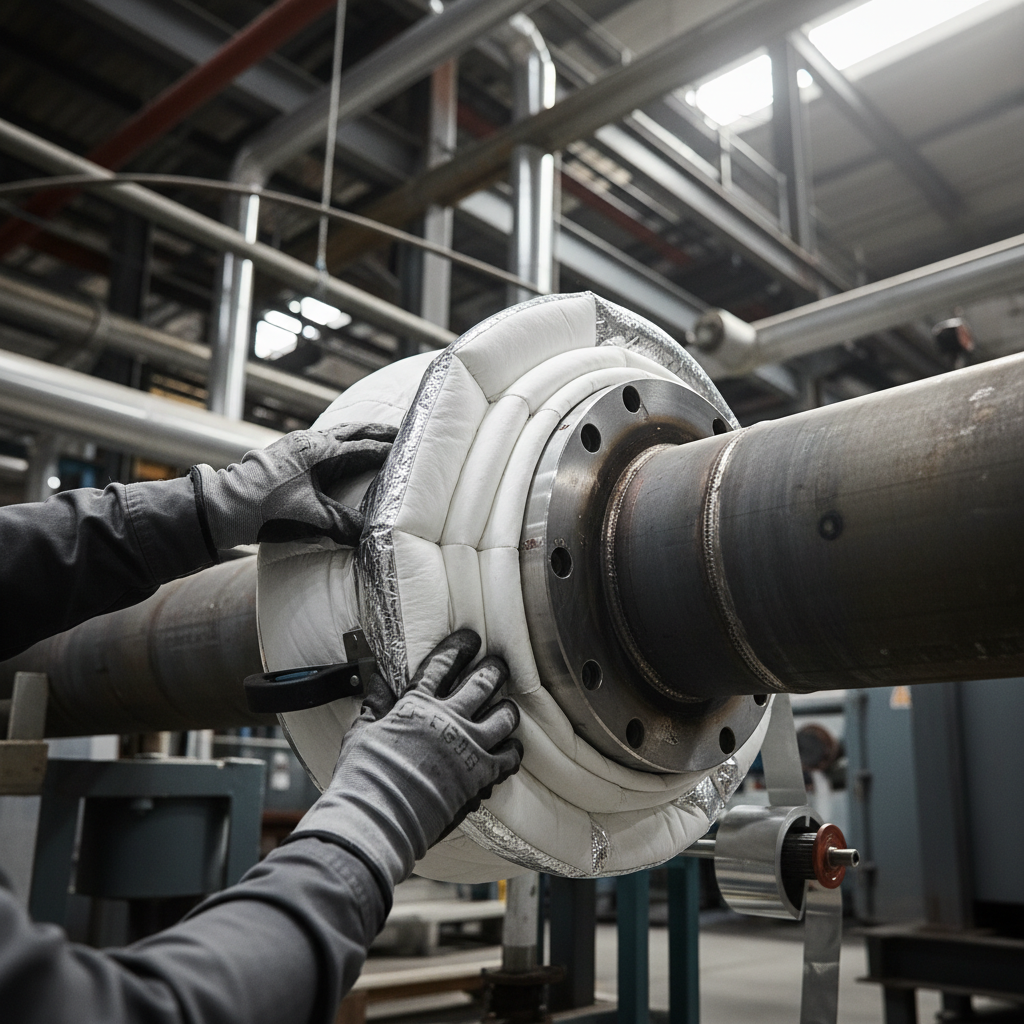
Pipes located in unheated areas like basements, attics, or garages are prone to freezing. Use foam pipe insulation or heat tape to protect them during the colder months. This precaution helps prevent costly repairs and water damage from burst pipes.
Prepare for Emergencies
Winter storms can sometimes lead to power outages. Prepare an emergency kit with essentials like flashlights, batteries, blankets, and non-perishable food. Additionally, ensure your home is stocked with shovels and ice melt to manage snow and ice accumulation.
Having a plan in place will help you handle unexpected winter challenges with ease.